Book Information
- Category
- Steroids
- Pages
- 190
- Format
- Author
- Soheil Akhavan
- Available Languages
- entresptdefritarrufa
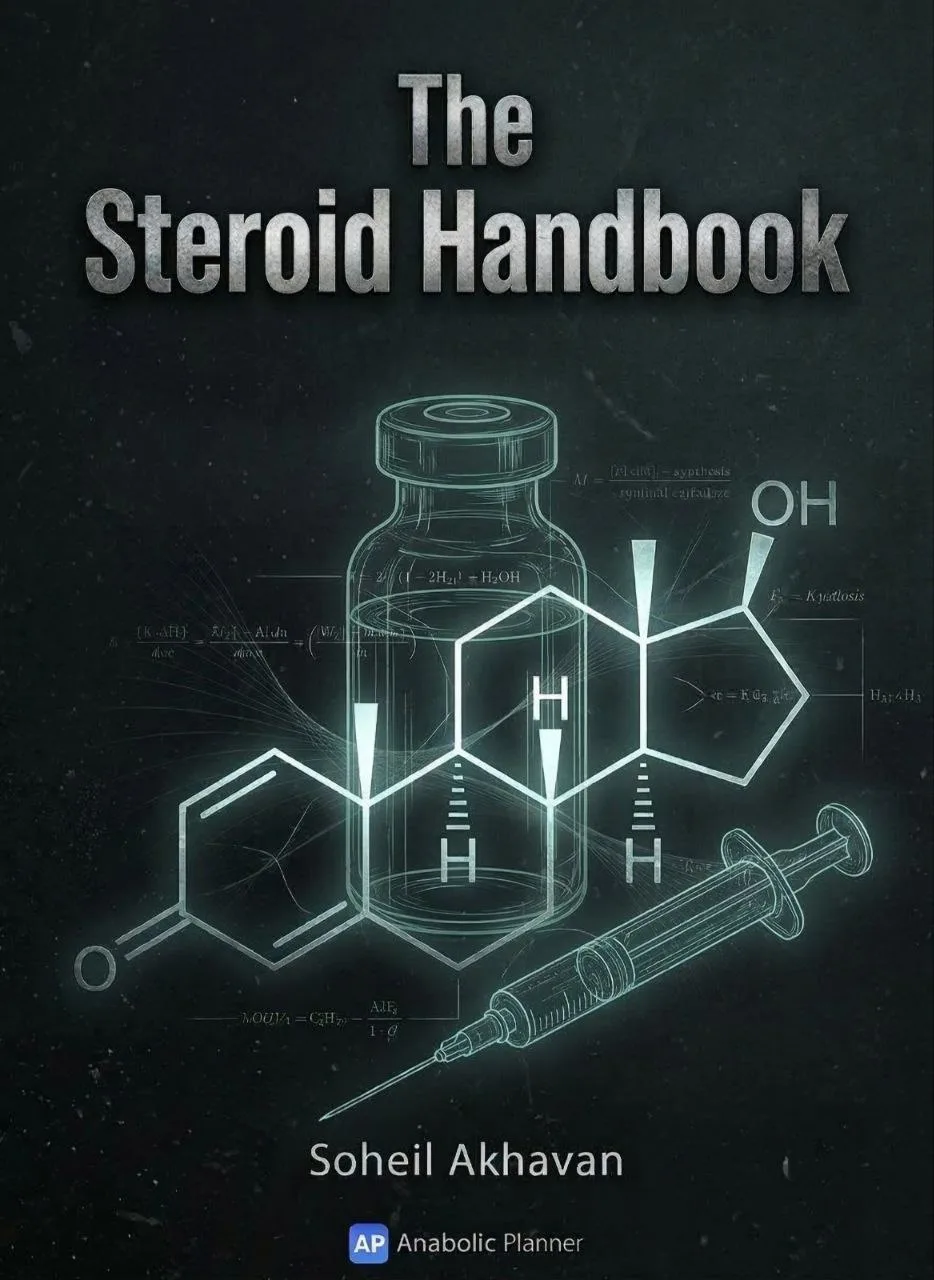
The Steroid Handbook
Description
"The Steroid Handbook" by Soheil Akhavan is a comprehensive, evidence-based guide designed to educate athletes and coaches on the complex pharmacology and biological impact of Anabolic-Androgenic Steroids (AAS). The author's primary goal is to provide scientific knowledge to prevent the "tragic causes of death" and health complications frequently seen in the bodybuilding and athletic communities due to experimental and uneducated drug use.
1. Biological and Pharmacological Foundations
Endocrine System: It explains how hormones like testosterone, estrogen, and growth hormone function within the body's natural regulatory systems, such as the HPG (Hypothalamic-Pituitary-Gonadal) axis.
Pharmacokinetics and Dynamics: The text distinguishes between how the body acts on a drug (absorption, metabolism, half-life) and how the drug acts on the body.
Bioavailability: It details the "First-Pass Effect," explaining why oral steroids often require chemical modification (17-alpha alkylation) to survive liver metabolism, whereas injectables bypass this "tax".
2. Types of Substances and Their Mechanisms
Classification of AAS: Steroids are categorized into derivatives of Testosterone, 19-Nortestosterone, and Dihydrotestosterone (DHT).
Esters and Delivery: The handbook explains how different esters (e.g., Enanthate vs. Propionate) control the release rate and half-life of a hormone in the bloodstream, debunking the myth that certain esters are inherently for "bulking" while others are for "cutting".
Oral vs. Injectable: It highlights the significant differences in chemical structure and toxicity between these two forms.
3. Health Risks and Monitoring
Systemic Side Effects: The book details the dangers steroids pose to heart, liver, and kidney health, as well as impacts on fertility, hair loss, and psychological state.
Blood Analysis: A significant portion is dedicated to teaching readers how to interpret lab results, such as Liver Enzymes (AST/ALT), Red Blood Cell counts (Hematocrit), and Lipid Profiles (HDL/LDL) to monitor internal health.
Quality and Sterility: There is a heavy emphasis on the risks of "Underground Labs" (UGLs), warning that professional-looking packaging does not guarantee product sterility or correct dosing.
4. Strategic Management and Recovery
Cycle Pitfalls: It identifies common mistakes like using excessively high dosages, neglecting blood work, or relying on "magical" expensive stacks.
Post-Cycle Therapy (PCT): The text discusses the importance of recovery protocols to restore natural hormone production after a cycle ends.